
What Is Slip-Resistant Flooring? Suitability and Common Questions
A clear guide to slip-resistant epoxy flooring — what it is, where it's required, and the questions homeowners and facility managers ask before adding traction.
Slip-Resistant Flooring Systems
2026-10-15
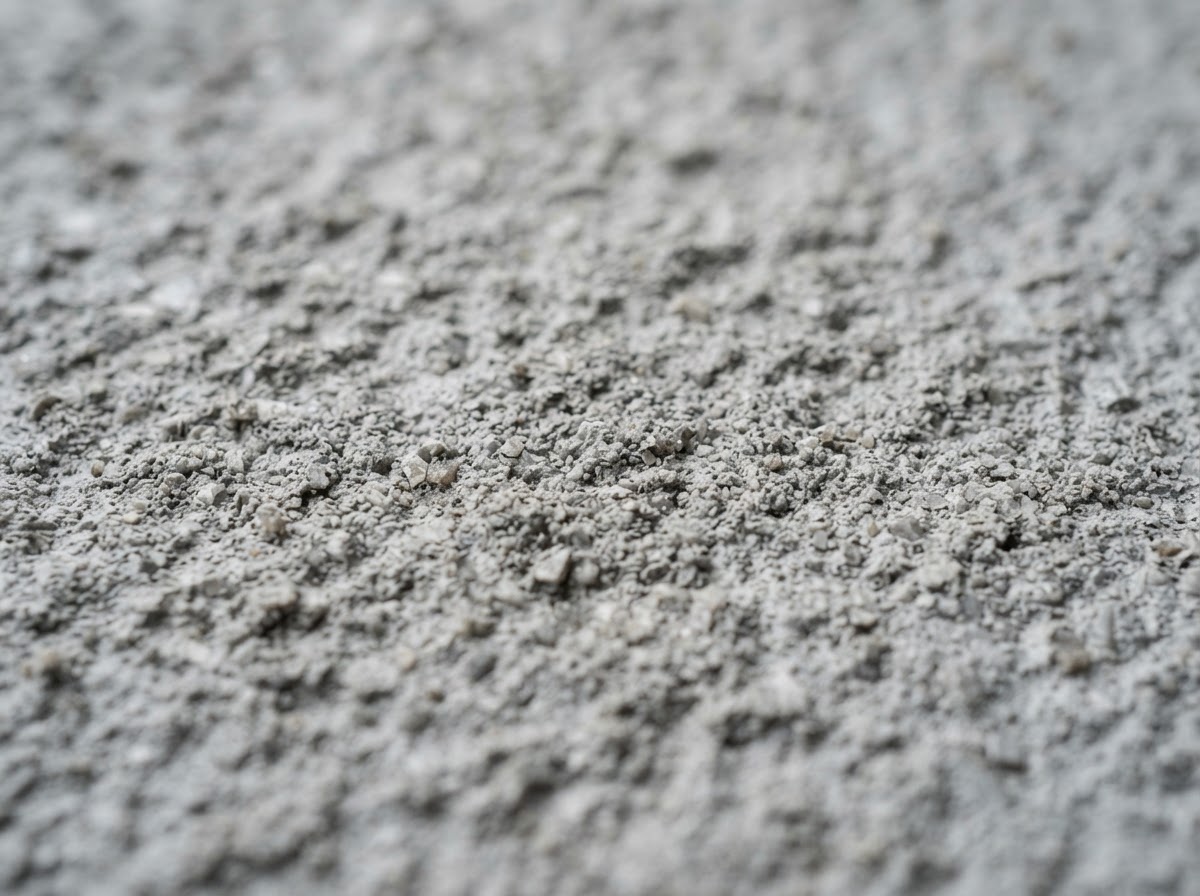
Slip-resistant flooring is an epoxy or polyurethane system with an anti-slip aggregate — a fine to coarse grit — broadcast into the topcoat to add traction to an otherwise smooth surface. The aggregate creates grip where the floor gets wet: pool decks, patios, driveways, commercial kitchens, wash-down areas, and any space where a barefoot or shoed foot meets water. It's the system we specify when the look of a coated floor is wanted but the surface has to be safe when wet — and in South Florida, where rain, pool water, and humidity are constant, that's a lot of surfaces.
KD Epoxy Floor installs slip-resistant flooring from Palm Beach County to the Florida Keys. We come to your property to assess the surface, the traffic, and the wet exposure, and we send a custom estimate based on the actual conditions. Share your city or ZIP and we'll confirm availability before scheduling the assessment.
What slip-resistant flooring actually is
A slip-resistant floor is built like any epoxy floor — slab prep, basecoat, color or flake, topcoat — with one addition: an aggregate is broadcast into the topcoat while it's wet. The aggregate can be fine, medium, or coarse, and it sits at the surface to create the grip. The result is a coated floor that looks like a standard epoxy surface but has measurable traction when wet.
The aggregate is what makes the difference. A smooth epoxy topcoat is slick when wet — that's the nature of a glossy, seamless surface. The aggregate breaks up that smoothness with grit that a foot or a shoe can grip. The coarseness is tuned to the use: finer for barefoot areas like pool decks where comfort matters, coarser for industrial or wash-down areas where grip is the priority. We help you choose the right aggregate for the use.
The system is seamless and cleanable like any epoxy floor — no grout lines, no seams to trap debris — but the texture adds the safety the smooth surface lacks. For South Florida homes, that means a pool deck, patio, or driveway that looks like a coated floor but is safe to walk on when the afternoon rain leaves it wet.
Who slip-resistant flooring is suitable for
Slip-resistant flooring suits any surface that gets wet and gets walked on. Pool decks are the most common residential application — a wet pool deck is a slip hazard, and a smooth coating makes it worse. A slip-resistant topcoat adds the grip that keeps the pool deck safe without giving up the coated look. Patios, lanais, and outdoor living spaces that see rain benefit the same way.
Driveways are another application — a coated driveway is smoother than bare concrete, and a wet coated driveway is slicker. A slip-resistant aggregate adds traction for foot traffic and for tires in the wet. See our driveway coatings for the driveway scope. For commercial applications, kitchens, wash-down areas, and any space where water meets foot traffic demand a slip-resistant surface for safety and compliance.
In South Florida, the climate makes slip-resistant flooring almost a default for exterior applications. Rain, pool water, humidity, and tracked sand create wet surfaces constantly, and a smooth coating on an exterior floor is a slip hazard waiting for the next rain. A slip-resistant topcoat is how we make exterior coated floors safe — not just beautiful.
Common questions about slip-resistant flooring
The most common question is whether the texture is uncomfortable underfoot. It depends on the aggregate. A fine aggregate is barely perceptible underfoot — enough grip to be safe, not enough to be uncomfortable. A coarse aggregate is more aggressive and more noticeable, suited to industrial or wash-down areas where grip is the priority. For a pool deck where barefoot comfort matters, we specify a finer aggregate. For a commercial kitchen, a coarser one. We help you choose based on the use.
Another frequent question is whether the texture is harder to clean. Slightly — the texture holds a bit more debris than a smooth surface, the same way flake does. But the aggregate is fine enough that a mop or a brush handles it, and the trade-off is safety — a smooth floor that's easy to mop but slippery when wet is a hazard, not a convenience. Most homeowners find the cleanability is more than acceptable for the safety it adds.
Homeowners also ask whether slip-resistant flooring can be combined with other finishes. Yes — the anti-slip aggregate can be added to a flake floor, a solid color floor, or a metallic floor. The finish sets the look; the aggregate adds the traction. See our decorative flake flooring and solid color epoxy flooring for the finish options that can carry the aggregate.
What to know about slip-resistant flooring
- Anti-slip aggregate adds traction to a coated surface
- Fine for barefoot areas, coarse for industrial
- Slightly more texture to clean — worth the safety
- Can combine with flake, solid color, or metallic finishes
Choosing the right slip-resistant system
The aggregate coarseness is the main choice. Fine aggregate is barely perceptible — good for barefoot areas like pool decks where comfort matters. Medium is more noticeable — good for patios and driveways where shoes are the norm. Coarse is aggressive — good for commercial kitchens, wash-down areas, and industrial floors where grip is the priority. We help you choose based on the use and the comfort.
The finish underneath the aggregate is the second choice. For a pool deck, a flake or solid color finish with a fine aggregate delivers the look and the grip. For a driveway, a solid color with a medium aggregate handles the traffic. For a commercial kitchen, a solid color with a coarse aggregate and a cove base integration may be the right system. See our sanitary cove base installation for the cove base scope.
What to expect from the estimate
We come to your property to assess the surface, the traffic, the wet exposure, and any existing coating that needs removal. The estimate includes the finish system, the aggregate coarseness, and any preparation the surface requires — so the cost reflects the actual scope, not a generic number. Share your project city or ZIP and we'll confirm availability before scheduling.
Frequently asked questions
What is slip-resistant flooring?
It's an epoxy or polyurethane system with an anti-slip aggregate broadcast into the topcoat to add traction to an otherwise smooth surface. The aggregate creates grip where the floor gets wet — pool decks, patios, driveways, kitchens — making a coated floor safe as well as beautiful.
Is the texture uncomfortable underfoot?
It depends on the aggregate. A fine aggregate is barely perceptible — enough grip to be safe, not enough to be uncomfortable. A coarse aggregate is more aggressive, suited to industrial areas. For a pool deck, we specify a finer aggregate for barefoot comfort.
Is slip-resistant flooring harder to clean?
Slightly — the texture holds a bit more debris than a smooth surface. But the aggregate is fine enough that a mop or a brush handles it, and the trade-off is safety. A smooth floor that's easy to mop but slippery when wet is a hazard, not a convenience.
Can slip-resistant flooring combine with other finishes?
Yes — the anti-slip aggregate can be added to a flake, solid color, or metallic floor. The finish sets the look; the aggregate adds the traction. We help you choose the right combination for the use.
Where is slip-resistant flooring required?
Anywhere a coated floor gets wet and gets walked on — pool decks, patios, driveways, commercial kitchens, wash-down areas. In South Florida, where rain and humidity are constant, it's almost a default for exterior applications.
Do you serve my area?
We serve South Florida from Palm Beach County to the Florida Keys. Share your project city or ZIP and we'll confirm availability before scheduling your estimate.
Need a floor that's safe when wet? Request a custom estimate and we'll add the right traction.
More about Slip-Resistant Flooring Systems
Slip-Resistant Flooring Options, Comparisons, and Cost Factors
How aggregate coarseness and finish options compare — and what drives the cost of a safe, traction-rated floor.
Slip-Resistant Flooring Preparation, Process, and Care
The step-by-step installation process for a slip-resistant floor — from slab prep through aggregate topcoat — plus the care routine that keeps it safe.
Slip-Resistant Flooring Mistakes, Misconceptions, and How to Avoid Them
The common mistakes that undermine slip-resistant floors — from wrong aggregate to poor drainage — and how to prevent them.